
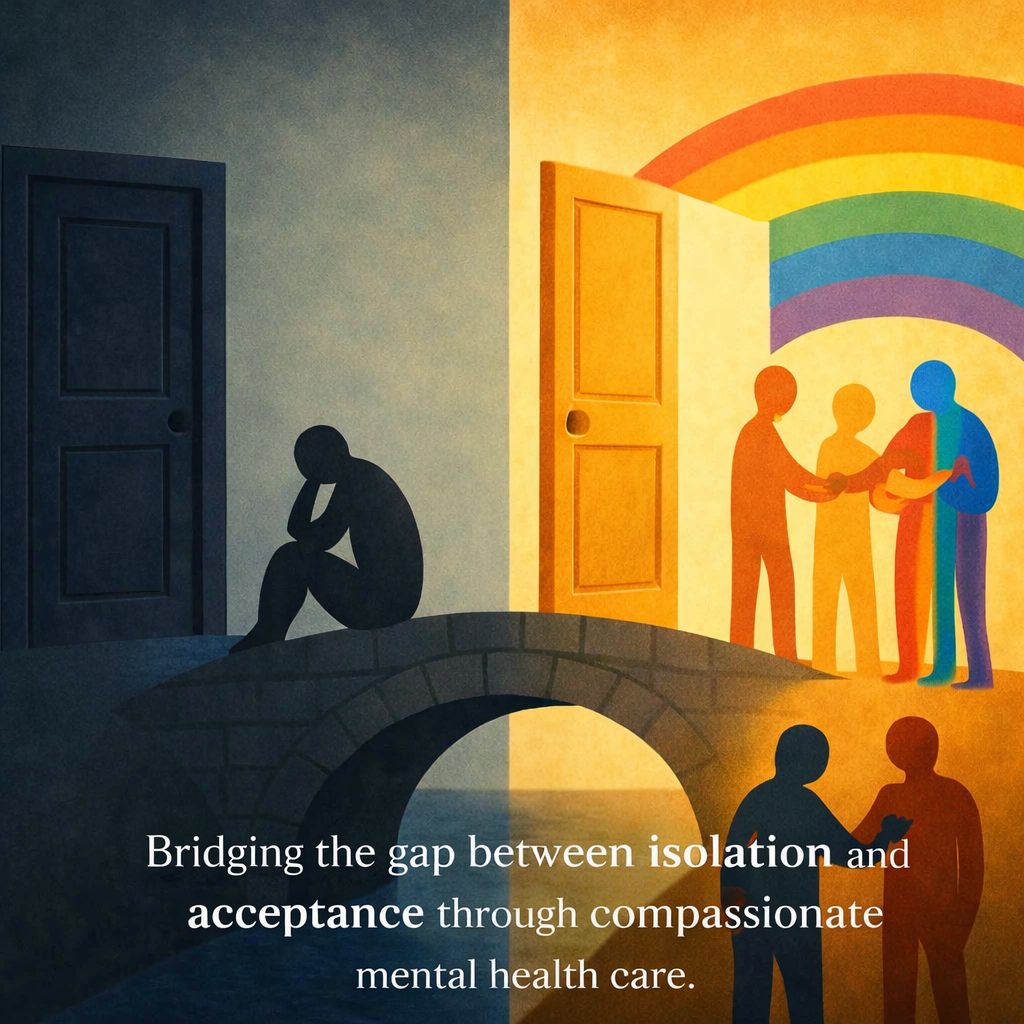
Understanding LGBTQ Mental Health: A Psychologist’s Perspective
Mental health is an essential part of overall well-being. However, individuals from the LGBTQ community often face unique psychological challenges that require sensitive and professional support.
LGBTQ mental health is an emerging and important area in counselling psychology, especially in India where social, cultural, and family pressures can influence emotional well-being.
What Does LGBTQ Mean?
LGBTQ stands for Lesbian, Gay, Bisexual, Transgender, and Queer/Questioning. It includes individuals with diverse sexual orientations and gender identities.
Understanding these identities is important because confusion, fear, and lack of awareness can lead to stress, anxiety, and emotional distress.
Why LGBTQ Mental Health Needs Attention
Research and clinical observations show that LGBTQ individuals may experience higher levels of:
- Anxiety
- Depression
- Social isolation
- Low self-esteem
- Relationship stress
These challenges are not due to identity itself but are often caused by external stressors such as stigma, discrimination, and lack of acceptance.
This is explained by the concept of minority stress, where individuals experience chronic psychological strain due to societal pressures.
Common Mental Health Concerns
1. Coming Out Anxiety
Coming out can be a stressful experience. Individuals may fear rejection, judgment, or conflict with family members.
Common symptoms include:
- Overthinking
- Fear and panic
- Emotional distress
2. Gender Identity Confusion
Many individuals struggle to understand their gender identity, leading to confusion and emotional instability.
Questions like “Who am I?” or “Why do I feel different?” are common during this phase.
3. Family Rejection and Emotional Impact
In the Indian context, family expectations can create pressure to conform. Lack of acceptance may lead to:
- Emotional pain
- Low self-worth
- Attachment difficulties
4. Internalized Stigma
Negative societal beliefs can be internalized, leading to:
- Shame
- Guilt
- Self-doubt
5. Relationship and Social Challenges
LGBTQ individuals may face difficulties in relationships due to fear of judgment or lack of support systems.
Role of LGBTQ Counselling and Therapy
Professional therapy provides a safe, confidential, and non-judgmental space for individuals to explore their thoughts and emotions.
Therapy can help in:
- Managing anxiety and depression
- Understanding sexual orientation and gender identity
- Building self-acceptance
- Improving communication and relationships
Evidence-based approaches like Cognitive Behavioral Therapy (CBT) are commonly used to address emotional distress.
What is Affirmative Therapy?
LGBTQ affirmative therapy is a psychological approach that:
- Supports and validates identity
- Does not attempt to change sexual orientation or gender identity
- Focuses on emotional well-being and personal growth
This approach is ethical, scientific, and aligned with modern psychological practices.
When Should You Seek Help?
You should consider seeking professional help if you experience:
- Persistent anxiety or sadness
- Confusion about identity
- Fear of coming out
- Family or relationship conflicts
- Emotional distress affecting daily life
Early support can prevent long-term psychological difficulties.
Creating a Safe Mental Health Space
Mental health care should be inclusive and respectful. Everyone deserves access to support without fear of judgment.
If you are struggling with identity, relationships, or emotional challenges, professional counselling can help you navigate these experiences in a healthy way.
Therapist Note:
LGBTQ mental health is an important aspect of psychological care. With the right guidance and support, individuals can build confidence, resilience, and emotional well-being.
TherapickMind is committed to providing inclusive, ethical, and professional mental health support for all individuals.
This article is written by Mahammad Irshad, Founder of TherapickMind, Consultant Psychologist, specializing in relationship issues, anxiety, and emotional well-being.